What Is Yellow Agate?
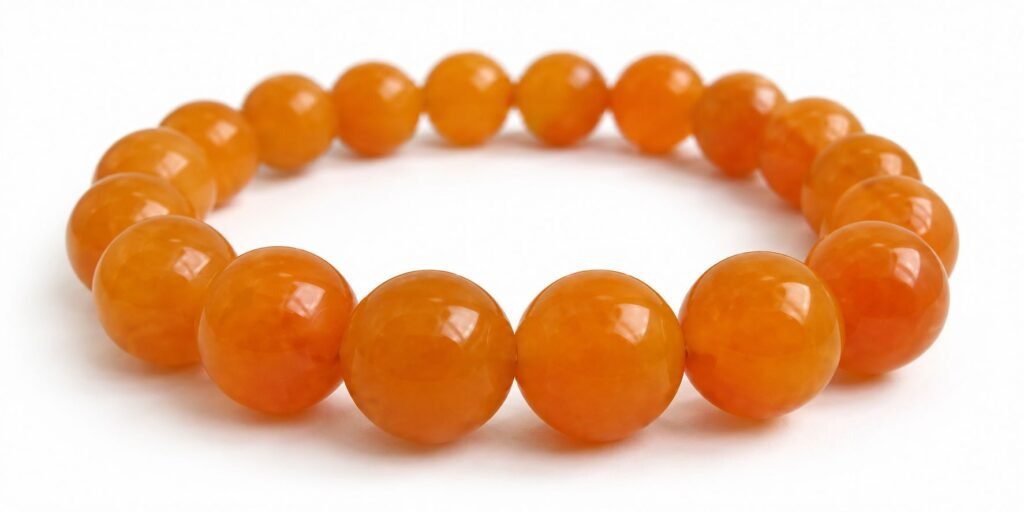
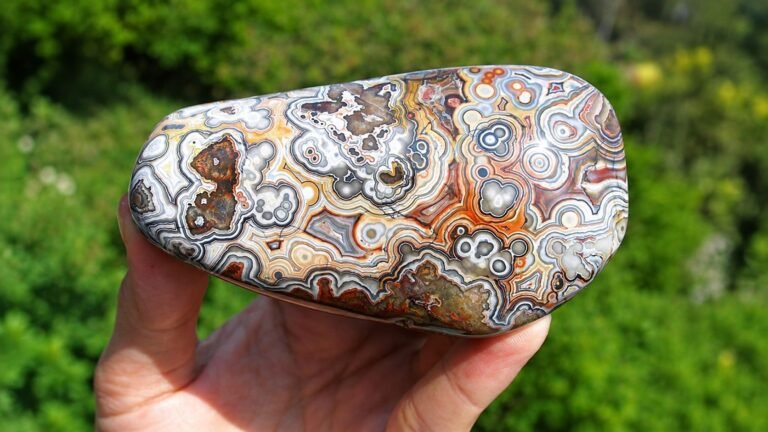
Yellow Agate is agate—a variety of chalcedony composed of microcrystalline quartz—described by its dominant color. It is not a formally standardized geological species. The name may cover pale lemon material, translucent honey tones, warm golds, cloudy ochres, or deeper yellow-brown agate.
Some pieces are translucent around the edges; others are cloudier or more opaque. Banding may be obvious, faint, or not visible to the unaided eye, and color can vary within one stone. For wider context, see Yun Agate’s guide to agate types, colors and formation.
What Gives Yellow Agate Its Color?
No single mechanism explains every specimen sold as Yellow Agate. Iron-bearing minerals or staining can contribute yellow, orange, or brown tones in some agates. Layer structure, translucency, and other impurities may also affect its appearance.
Color may be even or variable, shifting from cream to ochre across the layers. Its origin should be assessed specimen by specimen rather than assumed from the trade name.
Is Yellow Agate Natural?
Yes, naturally yellow agate exists. However, a product labeled Yellow Agate is not automatically guaranteed to have untreated natural color. Commercial material may also be treated to alter or standardize its appearance, including dyed material in some cases.
Natural Yellow Agate vs Treated Yellow Agate
Three separate questions matter when evaluating a stone:
- Is the underlying material genuine agate?
- Is its yellow color natural or altered?
- Has the seller clearly disclosed any treatment?
Treated genuine agate is not automatically fake. It remains agate, but its color origin differs from untreated material. Accurate disclosure helps buyers compare it fairly.
Natural variation does not prove that color is untreated, while bright or even color may raise questions without answering them. Lighting, editing, and screens also change how yellow looks. When treatment status matters, rely on seller disclosure and, for higher-value material, appropriate gemological testing—not a photo alone.
Is Golden Agate the Same as Yellow Agate?
“Golden Agate” is a descriptive or trade label, not a standardized geological species. It may refer to honey-colored, gold-toned, or yellow-brown agate. The label can overlap with Yellow Agate but does not reveal color origin or treatment status, so check the full description.
How Can You Identify Yellow Agate?
Begin with material labeling and treatment disclosure. Use actual-product photographs when possible and examine variation, translucency, clouding, banding, polish, and drilled holes where relevant. Concentrated color may justify questions, but no single visual feature proves authenticity or treatment status.
Avoid scratches, acids, heat, or harsh chemicals; they can damage jewelry and still give ambiguous results. Yun Agate’s guide to how to tell if agate is real explains why identification depends on several observations.
Yellow Agate vs Citrine, Carnelian and Yellow Jasper
These materials can overlap in color, but their typical structure and appearance differ.
Yellow Agate vs Citrine
Yellow Agate is microcrystalline chalcedony and may be translucent, cloudy, banded, or layered. Citrine is macrocrystalline quartz, generally transparent to translucent, with a more crystal-like appearance.
Both belong to the quartz family, but they are not the same material form. Color alone cannot identify either one.
Yellow Agate vs Carnelian and Yellow Jasper
Carnelian is chalcedony commonly ranging from orange to red-brown. Trade-name boundaries may become flexible around yellow-orange material.
Yellow Jasper is typically more opaque, while agate is generally more translucent and may show layers or banding. Borderline chalcedony can still be difficult to name by sight, especially as small polished beads.
What Does Yellow Agate Mean?
Yellow Agate has no universal meaning. Its warm color may inspire personal or modern associations with sunlight, optimism, beginnings, or milestones. Meaning can also come from a gift, memory, or design.
Some modern crystal practices associate yellow stones with confidence, abundance, luck, protection, chakra work, energy, or emotional balance. These are spiritual interpretations and personal beliefs, not demonstrated physical or psychological effects of Yellow Agate.
How Is Yellow Agate Used?
Yellow Agate is used for beads, bracelets, necklaces, pendants, earrings, cabochons, carvings, and decorative objects. Honey and gold tones create a warm focal color, while paler material works as a softer neutral beside black, white, brown, wood, metal, or other stones.
Designers may feature natural contrasts or select closely matched beads for a more uniform composition.
What Should You Check Before Buying Yellow Agate?
Look for an honest material name, treatment or color-origin information, and representative photographs. For jewelry, examine polish, drilled holes, bead dimensions, wrist sizing, and return or resizing terms.
If a seller uses “natural,” check whether that refers to the agate or its color. Treat medical or supernatural guarantees as marketing, not material facts. A well-described Yellow Agate bracelet should provide materials, dimensions, construction, and design details.
How to Care for Yellow Agate Jewelry
Clean Yellow Agate with lukewarm water, mild soap, and a soft cloth or brush, then dry it thoroughly. Avoid harsh chemicals, extreme heat, and hard impacts. Use extra caution with chemicals if the material is dyed or treated. See the full agate jewelry care guide for storage and maintenance advice.
Yellow Agate in Yun Agate’s Contemporary Pangu Design Story
Yun Agate uses yellow and gold tones in Pangu-inspired designs as a contemporary visual interpretation of first light, earth, creation, and the atmosphere of the Pangu creation story. Variation in color, pattern and materials helps each composition express that idea differently.This is Yun Agate’s modern design language, not evidence of an ancient historical association between Pangu and Yellow Agate. Traditional Pangu accounts do not establish that he wore Yellow Agate, that the stone was sacred to him, or that it had a traditional role in his story.
Frequently Asked Questions
What is Yellow Agate?
Yellow Agate is a market term for yellow, honey, gold, ochre, or yellow-brown agate. Agate is a microcrystalline variety of quartz within the chalcedony family.
Is Yellow Agate naturally yellow?
Yes. Naturally yellow agate exists, but commercial Yellow Agate may also include material treated to alter or standardize its color.
Can Yellow Agate be dyed?
Yes. Genuine agate can be dyed, including yellow-toned material. Sellers should disclose treatment when relevant.
Is treated Yellow Agate fake?
Not necessarily. Treated genuine agate is still agate. The important distinctions are its material identity, the origin of its color, and whether the treatment is disclosed.
How is Yellow Agate different from Citrine?
Yellow Agate is microcrystalline chalcedony and may appear cloudy, layered, or banded. Citrine is macrocrystalline quartz and is typically more transparent with a crystal-like appearance.
Is Golden Agate the same as Yellow Agate?
Golden Agate is usually a descriptive trade label that can overlap with Yellow Agate. It does not define one standardized mineral variety, so check the seller’s full material description.
What does Yellow Agate symbolize?
There is no universal meaning. People may associate its warm color with sunlight, optimism, beginnings, or personal milestones. Spiritual claims are beliefs or interpretations, not demonstrated effects.