Address
Designed & handcrafted in Fuxin, China
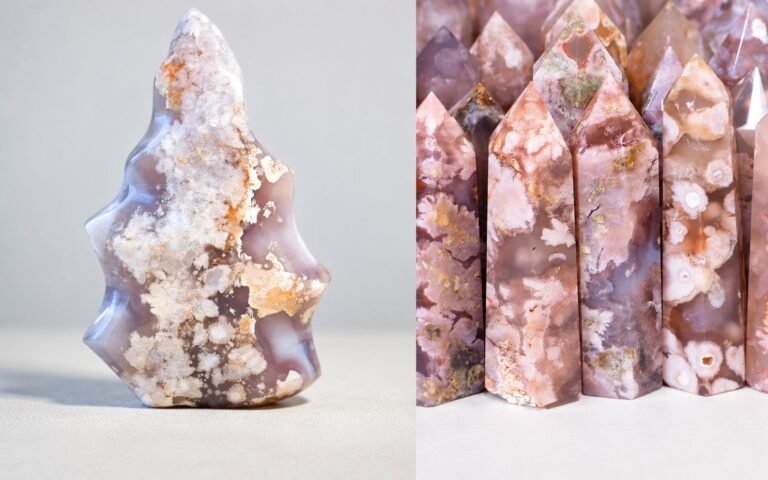
Natural agate jewelry made by hand. Worldwide shipping available.
Work Hours
Monday to Friday: 7AM - 7PM
Weekend: 10AM - 5PM
SEP 13,2026
Jingwei is a girl transformed into a bird after drowning in the Eastern Sea. In the story of Jingwei filling the sea, the bird repeatedly carries wood and stones toward the water, attempting a task far beyond her strength. The brief account preserved in the Shan Hai Jing, or Classic of Mountains and Seas, later became one of the best-known images of perseverance in Chinese culture. The early source is spare, however, and many familiar details come from later retellings.

The story takes place on location, at Fajiu Mountain, Shanxi
In the early account, Yandi – the Flame Emperor – has a daughter named Nuwa, written 女娃. She enters the Eastern Sea, drowns, and does not return. She then becomes a bird named Jingwei. The text describes the Jingwei bird as crow-like, with a patterned head, a white beak, and red feet.
This Nuwa is not the creator goddess Nüwa. The girl’s name is written 女娃, while the goddess’s name is written 女娲 or 女媧. English spellings can make them look identical, so the distinction matters when reading about Jingwei in Chinese mythology.Jingwei is the name of the transformed bird, not the girl’s original name. That shift from daughter to bird is central to the myth: death ends her human life, but it does not end her struggle against the sea.
In the account preserved in the Shan Hai Jing, Jingwei gathers wood and stones from the western mountains and carries them to the Eastern Sea. She drops this material into the water again and again. The passage appears in the section commonly known in English as Guideways Through the Northern Mountains. The work is a composite text compiled over time, so it is safer not to assign the Jingwei myth to one exact year.
The original passage does not say that Jingwei completes her task. Its power comes partly from that open ending: a small bird continues to confront an immense sea, with no promise that effort will bring success.
The repeated movement between mountain and sea gives the early narrative its memorable shape. There is no extended adventure or final victory; the bird’s continuing action is the story’s defining image.
Later retellings often add a boat, a storm, conversations with the sea, or an explicit promise to protect future travelers. Some versions also give Jingwei a detailed speech or state a clear moral. These additions can make the Jingwei story easier to narrate, but they are not clearly present in the earliest short account.
The early text describes what Jingwei does without directly explaining her thoughts. Readers and later storytellers have interpreted the action as revenge against the sea, grief transformed into action, defiance after tragedy, or an attempt to keep others from drowning.These readings help answer why Jingwei tries to fill the sea, but they should be understood as interpretations or later developments rather than a single motive stated by the source.
Today, the dominant Jingwei fills the sea meaning is perseverance in the face of overwhelming difficulty. Jingwei cannot match the scale of the Eastern Sea, yet she keeps carrying one small piece at a time. The story is therefore commonly used to represent determination, refusal to accept defeat, and the willingness to continue when progress seems almost invisible.
In direct terms, the story means that sustained effort can express courage and purpose even when the obstacle appears impossible. That is a later cultural interpretation, not a moral sentence supplied by the early text itself.
This modern emphasis explains why Jingwei perseverance remains culturally recognizable. The lesson is not that effort guarantees victory. It is that a person’s commitment can still have meaning when the outcome is uncertain.
Jingwei symbolism is more complex than a simple motivational message. Her action begins with loss, and filling an ocean may appear futile. The Jingwei story meaning can therefore include unresolved grief, resistance to forces larger than oneself, or heroic persistence that may never reach completion. Modern readers often admire her determination while also recognizing the sorrow and impossibility within the image.
The phrase 精卫填海, pronounced Jīngwèi tiánhǎi, is a four-character Chinese idiom derived from the story. In modern use, it commonly describes persistence, determination, and continued effort despite enormous difficulty. A project that requires patience and repeated small actions may be praised through this image.
Context still matters. The same expression can sometimes suggest a task so vast that success is doubtful – something close to a Sisyphean undertaking. That nuance belongs to the idiom’s later cultural life; the original Shan Hai Jing passage narrates Jingwei’s action without spelling out a formal moral.
Yun Agate treats Jingwei as contemporary design inspiration, not as evidence of an ancient gemstone association. Sea-inspired blue tones recall the setting of the myth, while repeated details and wearable forms translate perseverance and determination into a modern visual narrative. This creative connection belongs to Yun Agate’s own mythology-inspired design language. It does not mean that historical tradition linked Jingwei to Blue Agate or assigned supernatural qualities to a stone. Readers can explore the brand’s Jingwei-inspired jewelry or discover the other Chinese mythology stories behind Yun Agate.
Jingwei is the bird into which Yandi’s daughter Nuwa, 女娃, transforms after drowning in the Eastern Sea. She repeatedly carries wood and stones toward the sea.
The early source does not state her inner motive. Revenge, grief, defiance, and preventing future drownings are later interpretations or additions to the story.
The early account does not say that she succeeds. It presents her continuing effort without giving the story a completed ending.
It most commonly symbolizes perseverance and determination against great difficulty. Depending on context, it can also suggest defiance or an impossible task.
She begins as Yandi’s daughter and becomes the Jingwei bird after drowning. Calling her a goddess can blur the source and confuse her with the creator goddess Nüwa.
The earliest surviving account is found in the Shan Hai Jing, translated as the Classic of Mountains and Seas or Guideways Through Mountains and Seas.