Address
Designed & handcrafted in Fuxin, China
Natural agate jewelry made by hand. Worldwide shipping available.
Work Hours
Monday to Friday: 7AM - 7PM
Weekend: 10AM - 5PM
OCT 24,2026
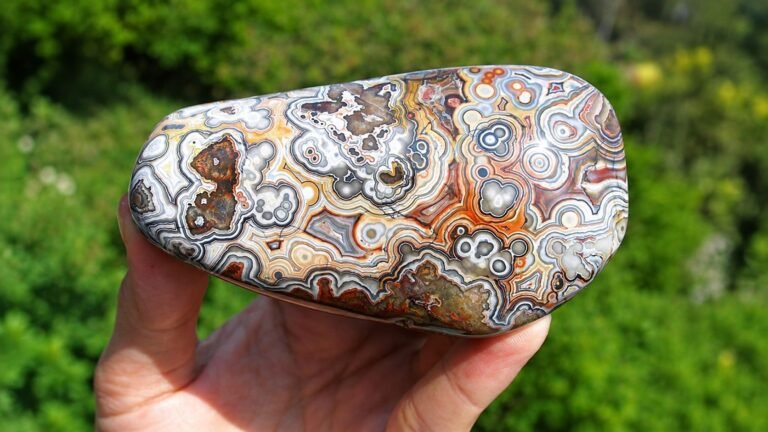
Flower agate is a descriptive trade name used for chalcedony with soft, flower-like or plume-like patterns inside the stone. The pale blooms can look suspended in a translucent or cloudy background, making every polished piece a little different. The name describes the stone’s appearance; it is not proof of a particular mine, treatment history, or exact mineral composition. If you are shopping for flower agate jewelry, the most useful approach is to understand the pattern, read the seller’s material description, and ask direct questions when important details are missing.
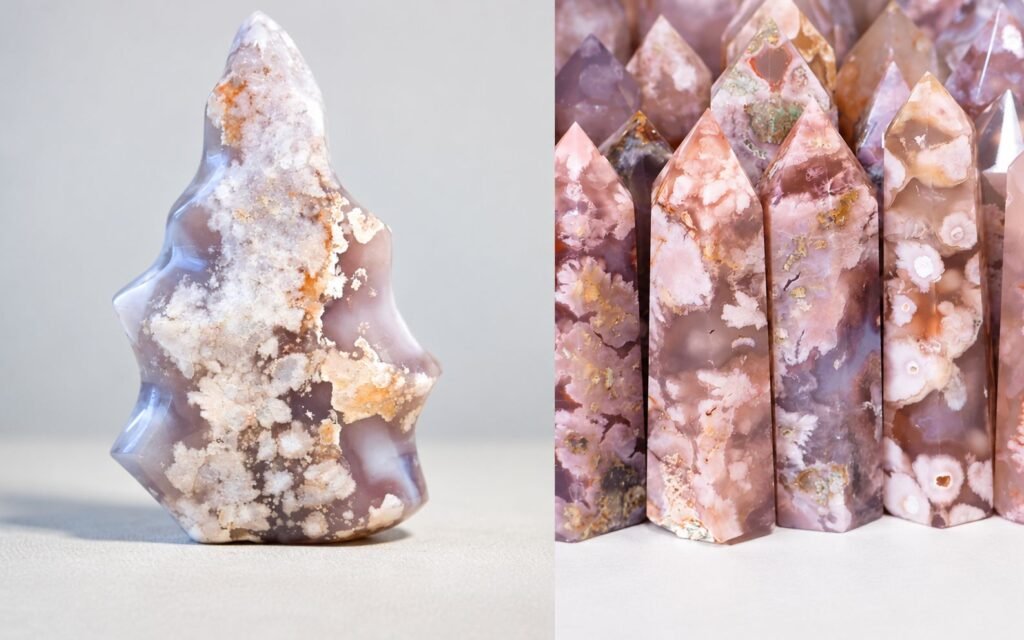
Look for rounded or branching shapes that resemble petals, blossoms, clouds, or small plumes within the stone rather than a picture printed on top. Commonly marketed pieces may show cream, white, blush, peach, pink, gray, or brown tones, often with a cloudy or translucent background. The amount of contrast varies: some stones have bold pale blooms, while others show subtle shapes that are easier to see under angled light.
These visual traits can help you decide whether a piece matches the look you want, but they cannot authenticate a specimen by themselves. Lighting, polish, cut, thickness, and photography all affect what appears in an image. A listing that includes several clear views is more useful than one dramatic close-up.
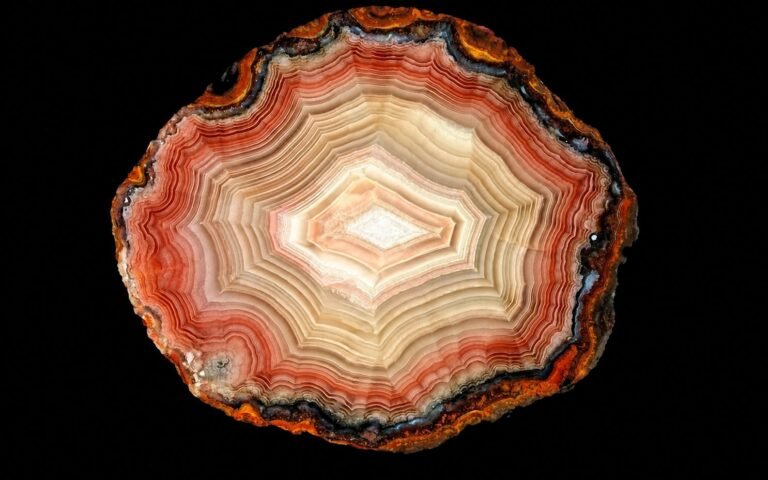
In gem and jewelry listings, flower agate generally refers to a patterned form of chalcedony, a fine-grained silica material in the quartz family. Agate itself is commonly described by its bands, layers, or other internal patterns; the Gemological Institute of America’s overview of agate explains how agate’s internal structure and inclusions contribute to its appearance. “Flower agate” is best treated as a market name for a look, not a guarantee that every seller is using the label in exactly the same way.
For a broader introduction to agate and its varieties, see Yun Agate’s general agate guide. When evaluating a specific piece, rely on its actual material description and any supporting documentation rather than assuming that a trade name answers every gemological question.
The pale shapes are commonly described in the trade as plume-like or flower-like inclusions. Their form and contrast can change with the angle of the cut, the thickness of the material, and the way light passes through it. Two pieces sold under the same name may therefore look quite different. Without examining the specimen, it is not possible to identify the exact minerals responsible for every inclusion or reconstruct the stone’s full geological history from a photograph.
Flower agate is often shown in soft pink, peach, cream, white, and muted gray or brown combinations. These are descriptions of appearance, not a checklist that every genuine specimen must meet. Color alone is not a reliable authenticity test, and a pale or saturated shade does not prove a stone is untreated.
The phrase “blue flower agate” can also be used as a commercial label. Before buying, ask what material the seller is identifying, whether the color is natural or treated if known, and whether the photos show the exact piece. Do not assume that a blue-toned specimen has a particular origin or treatment simply because it carries this name.
Some buyers enjoy flower agate for the way its patterns suggest blossoms, renewal, or growth. These are personal or cultural interpretations, not measurable properties of the stone. You can appreciate a symbolic meaning as part of your own relationship with a piece of jewelry without treating it as a scientific claim or a promise of a particular result.
For a reliable buying decision, keep symbolism separate from physical details such as material, visible pattern, size, workmanship, and any known treatment.
These names can overlap in casual retail descriptions, so compare the pattern you can see instead of relying on the label alone.
For more detail on moss-like inclusions and the way they differ from a simple green color label, read Yun Agate’s Moss Agate Meaning guide. The categories are useful shopping language, but trade names are not always applied consistently across sellers. If a distinction affects price or the material you want, ask the seller to explain how they are using the term.
Natural agate and chalcedony can be dyed or otherwise treated. The Gemological Institute of America notes that dyeing has been used on chalcedony and that treatments may not always be obvious to an untrained observer. A treated stone can still be genuine stone material; the important distinction is between the material itself and any alteration to its appearance.
Look closely at listing photos for unusual color concentration around cracks, pits, or drill holes, but treat these only as possible clues. Their presence does not prove dyeing, and their absence does not prove natural color. Strong color, pale color, or a smooth polish are not enough to establish treatment status.
If treatment information matters to your purchase, ask the seller directly and request a clear written answer. Yun Agate’s guide to dyed agate explains the difference between genuine stone material with altered color and an imitation material. In the United States, the Federal Trade Commission’s gemstone guidance says treatment information should be disclosed in circumstances such as when a treatment is not permanent, requires special care, or significantly affects value.
Avoid scratch, flame, acid, solvent, or other destructive home tests. They can damage a polished stone, the dye, the cord, or nearby components without giving you a reliable answer. When certainty is important—especially for a high-value purchase—consider an independent assessment from a qualified gemologist.
Flower agate is sold in many forms, including polished spheres, freeform carvings, cabochons, beads, and finished jewelry. A sphere or freeform can show a large section of the pattern, while a bead may reveal only a small part of the internal design. The cut can make a real difference to how visible the “flowers” look.
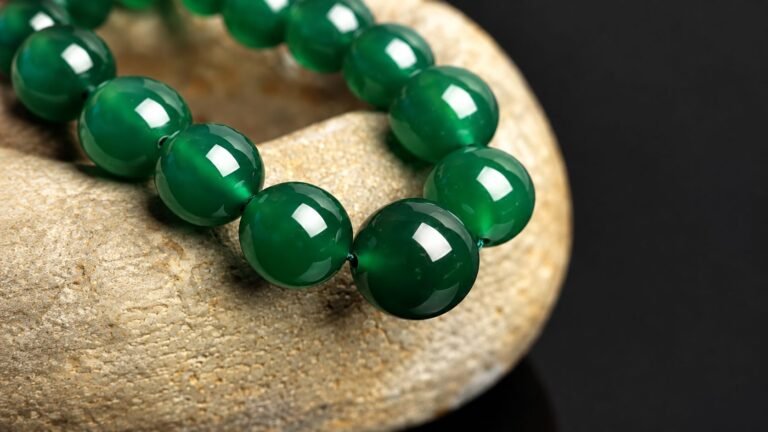
For bracelets and necklaces, consider both the stone and the finished piece. Bead size affects the overall scale and weight; cord, clasps, drilling, polish, and spacing affect comfort and construction. If a listing uses a representative image rather than the exact item, ask how much natural variation to expect between the pictured piece and the one you will receive.
Use this checklist when comparing listings:
If you are unsure how to interpret visual clues, Yun Agate’s practical guide on how to tell if agate is real offers a broader checklist for distinguishing observation from proof. No single photograph or simple home test can conclusively establish a stone’s identity, treatment history, and origin.
For a piece made only from agate or chalcedony, gentle cleaning with a soft cloth is a sensible first choice. If the maker confirms that the piece is suitable for water, use lukewarm water and mild soap, then dry it thoroughly. Jewelry may also contain metal, elastic, wood, or other stones, so avoid soaking the entire piece unless its materials and construction allow it.
Do not use solvents or harsh cleaners on a stone that may be dyed, and avoid prolonged direct sunlight if the seller has identified a color treatment that could fade. Skip ultrasonic or steam cleaning unless a qualified jeweler confirms it is appropriate for the exact piece. For more general advice, see Yun Agate’s agate and gemstone jewelry care guide.
The name is commonly used for natural chalcedony with flower-like internal patterns, but a label alone cannot verify the material in an individual listing. Check the description, photographs, treatment disclosure, and seller’s answers.
No. “Flower” describes the appearance of internal patterns; it does not mean the stone contains preserved petals or plant material.
The phrase alone does not establish whether a particular piece is naturally blue, treated, or even correctly labeled. Ask the seller what material is being sold and what is known about its color treatment.
A clear photo can help you assess visible patterns and workmanship, but it cannot conclusively verify material identity, treatment, or geographic origin.
Chalcedony is commonly listed at about 7 on the Mohs hardness scale, but hardness measures scratch resistance, not immunity to chips or impact. Treat finished jewelry thoughtfully and protect it from hard knocks.
The best flower agate purchase is one whose pattern you genuinely like and whose description is clear about what is known—and what is not. Compare real photos, ask about treatment and origin claims when they matter, and choose a seller who answers questions without promising more than the evidence supports.
FEATURED PRODUCTS